
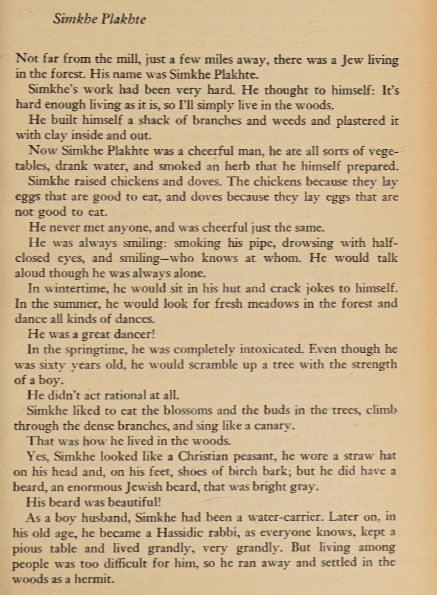
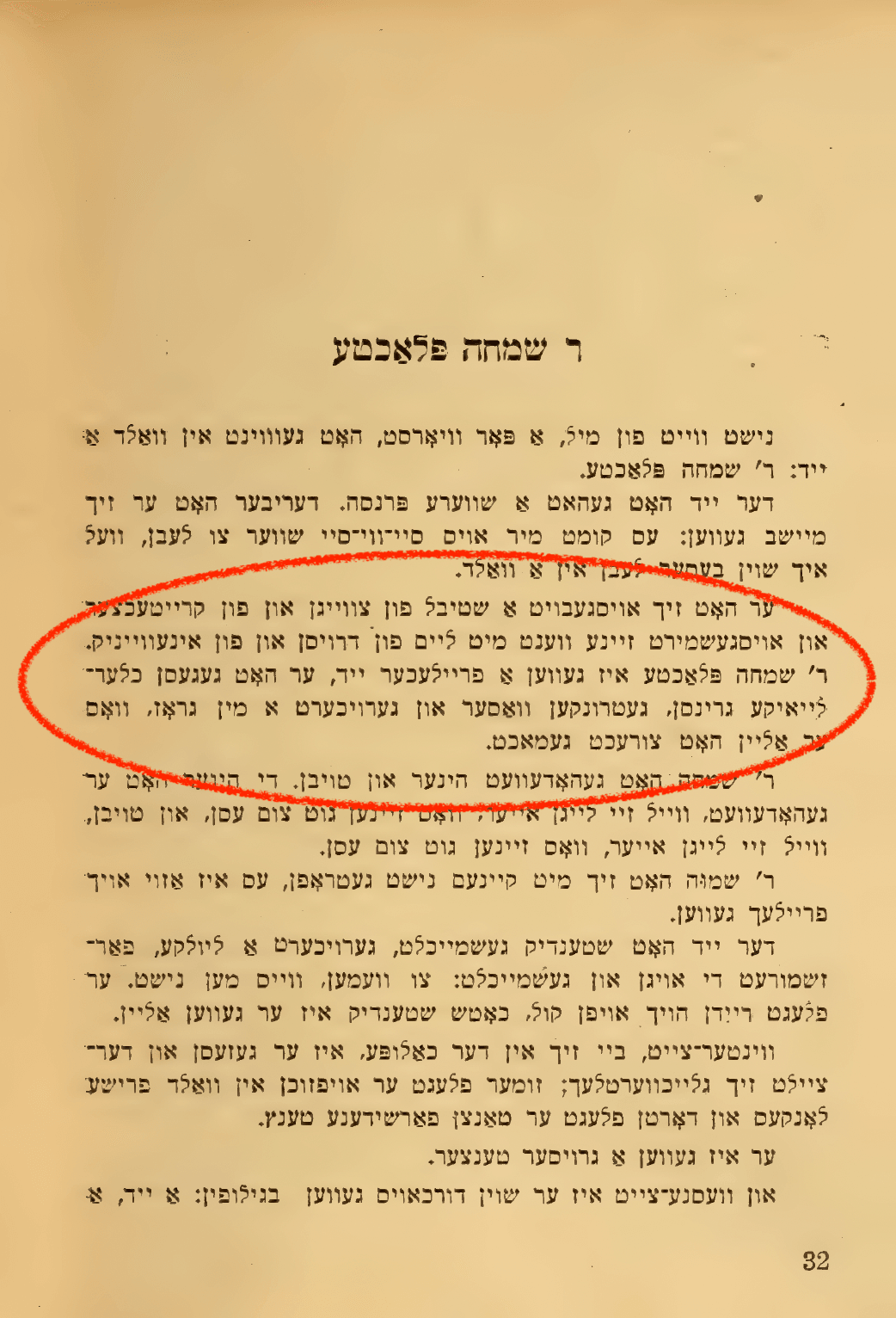
I've been very interested in learning more about the skilled crafts that were practiced in the shtetls until the Second World War. While doing some research on pots and pottery in the former Yiddishlands, I recently stumbled on another kind of pot: weed. It's difficult to find specific literature about mind altering substances in the ways we think of them today, but occasionally you can encounter references to plants or other material that have an effect on the consciousness. As we discussed in our chapter on Cannabis sativa/indica in Woven Roots, references to weed and other psychoactive plants in the Pale of Settlement can be quite coy. A story about the Yiddish folk figure Simkhe Plakhte (whose name means "joy, celebration" and "coarse cloth") by Moyshe Kulbak, written in the 1930s and translated and published in the 1970s by Joachim Neugroschel, winked at me from the page :
Some yiddish words:
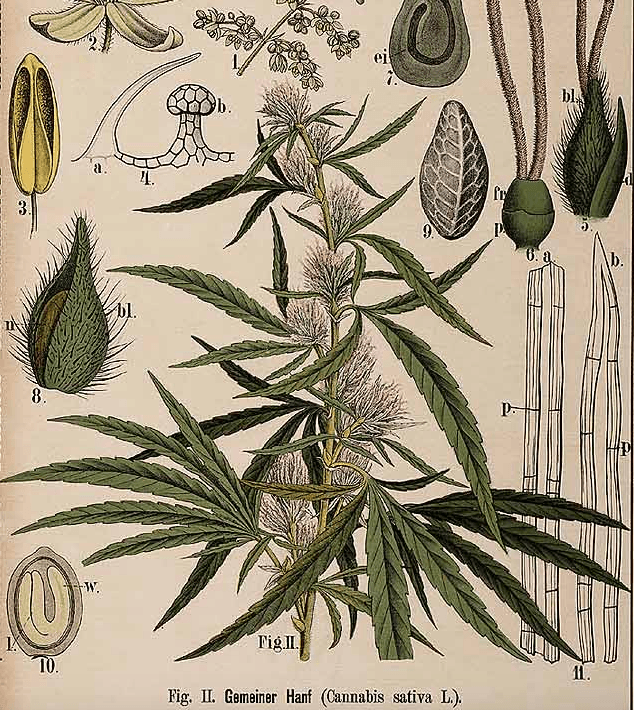
האַנעף = hanef = hemp
קאַנאָפּליעס = kanoplies = cannabis
טעפער = teper = pottery
לײמ = leym = clay
גראָז = groz = grass
ליולקע = liulke = pipe (clay pipe)
לאַדיש = “ladishke” = an earthenware jug or pitcher = (a small one is a ladishke a regular size is a ladish)
“liak” = a small pot with a narrow opening for boiling water
Sources:
for a great list of terms: https://www.jewishgen.org/Yizkor/Lyubcha/lyu188.html#Page194
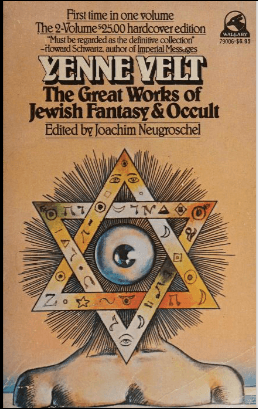
Neugroschel, Joachim. 1976. Yenne Velt : The Great Works of Jewish Fantasy and Occult. New York: Stonehill Pub. Co.
Mortkhe Shekhṭer, שעכטער, מרדכי., Mortkhe Shekhṭer, and Mordkhe Schaechter. 2005. דיגעוויקסן־וועלטאיןיידיש. Nyu-Yorḳ: Yidisher ṿisnshafṭlekher insṭiṭuṭ-Yiṿo.
Plant photo credits:
Stichting Academisch Erfgoed geheugenvannederland.nl the Netherlands
Missouri Botanic Garden, St. Louis
BioLib.de
